Embracing Cultural Safety


Cultural safety is defined by the patient’s experience. It extends beyond cultural awareness and sensitivity by recognizing and respecting the unique histories, identities, cultures, and current lived realities of Indigenous Peoples. When we practice healthcare in a way that can create cultural safety, patients experience healthcare environments where they feel free of anti-Indigenous racism and discrimination, and feel respected, safe and heard.
We recognize that colonization and policies such as the Indian Act, the Residential School System, and Indian Hospitals have created lasting trauma and inequities for Indigenous Peoples. These impacts continue today within healthcare, contributing to ongoing health disparities and experiences of unsafe or discriminatory care.
Reconciliation is a shared journey. We encourage you to contribute your ideas, insights, resources, and learnings as we work together to foster culturally safe, respectful and inclusive health care experiences.
*Please note: This page is moderated, and any inappropriate or disrespectful content will be edited and/or removed.
-
Recording: Reconciliation with Action & Accountability in Healthcare
We are thankful to Elder Dr. Elmer Ghostkeeper for sharing his teaching with us on September 22, when we commemorated the National Day for Truth and Reconciliation.
If you missed it, you can watch the recording here.

-
Keynote Event: National Day for Truth & Reconciliation 2026

September 30 is the National Day for Truth and Reconciliation (NDTR). On this day, we honour the children who never returned home, Survivors of residential schools, their families and communities.
Primary Care Alberta, Acute Care Alberta, Recovery Alberta, Assisted Living Alberta and Health Shared Services will host our NDTR event Tuesday, September 22.
Taking time to learn the truth is an important part of moving towards reconciliation. We are honoured to have Elder Dr. Elmer Ghostkeeper, respected Métis Elder, scholar, author, entrepreneur, and community leader as our keynote speaker. He will lead us through a teaching time, after which Primary Care Alberta’s Indigenous Education Team will lead a Reflection Circle exercise, encouraging us to think about how we can action reconciliation not only in September, but every day of the year.
What: National Day of Truth & Reconciliation Keynote event
Reconciliation with Action and Accountability in Healthcare
When: Tuesday, September 22, 2026
When: 12:00 p.m. to 2:00 p.m.Where:
- In person: Bernard Snell Hall, University of Alberta Hospital, Edmonton
8440 112 St NW, Edmonton, AB T6G 2J2 (Map)
*Lunch will be provided prior to the event - Online: Zoom
- In person: Bernard Snell Hall, University of Alberta Hospital, Edmonton
-
Indigenous recreation art program helps patients SOAR
Indigenous recreation art program helps patients SOAR
June 25, 2026
‘The community that we create in the time we’re here is just amazing’
Story by Kelly Morris | Photo by Leah Hennel
LETHBRIDGE — SOAR, the Spirit of Art and Reconciliation, continues to reduce stigma and inspire creativity weekly at Chinook Regional Hospital (CRH).
The program, developed by Indigenous Health in partnership with Allied Health Therapeutic Recreation, brings together Indigenous and non-Indigenous patients in the hospital’s Ceremony Room every Wednesday to support socialContinue reading
-
Thanks for celebrating with us!
Throughout National Indigenous Peoples Month, healthcare teams across Alberta have been reflecting on embracing cultural safety for Indigenous patients, families and staff.
This week's Closing Ceremonies at Alberta Hospital Edmonton came together through the dedication and coordination of many people across all provincial health agencies, teams and communities. The event featured Indigenous cultural performances, including First Nations powwow dancers, Métis jiggers and Inuit throat singers, along with moments of reflection on reconciliation, cultural safety, Indigenous health and the work happening across Alberta’s healthcare system.
Thank you to everyone who shared their time, guidance and care throughout the month.
If you missed any of this year's sessions, or want rewatch one, please visit our playlist.

-
2026 Virtual Events
Here's what is happening virtually for National Indigenous Peoples Month.
See the 2026 Virtual Events Calendar for session details.
*We will post the presentations that we have permission to share for those who may not be able to attend in real time. Keep watching this page for updates.
Previous presentations:
Tuesday June 2
10:00 a.m. to 12:00 p.m.- Opening Ceremonies
Monday June 8
12:00 p.m. to 1:00 p.m. – Elder TeachingsTuesday June 9
12:00 p.m. to 1:00 p.m. – Aligning Actions to Address Indigenous-specific Racism and Strengthen Cultural Safety in HealthcareWednesday June 10
12:00 p.m. to 1:00 p.m.Continue reading -
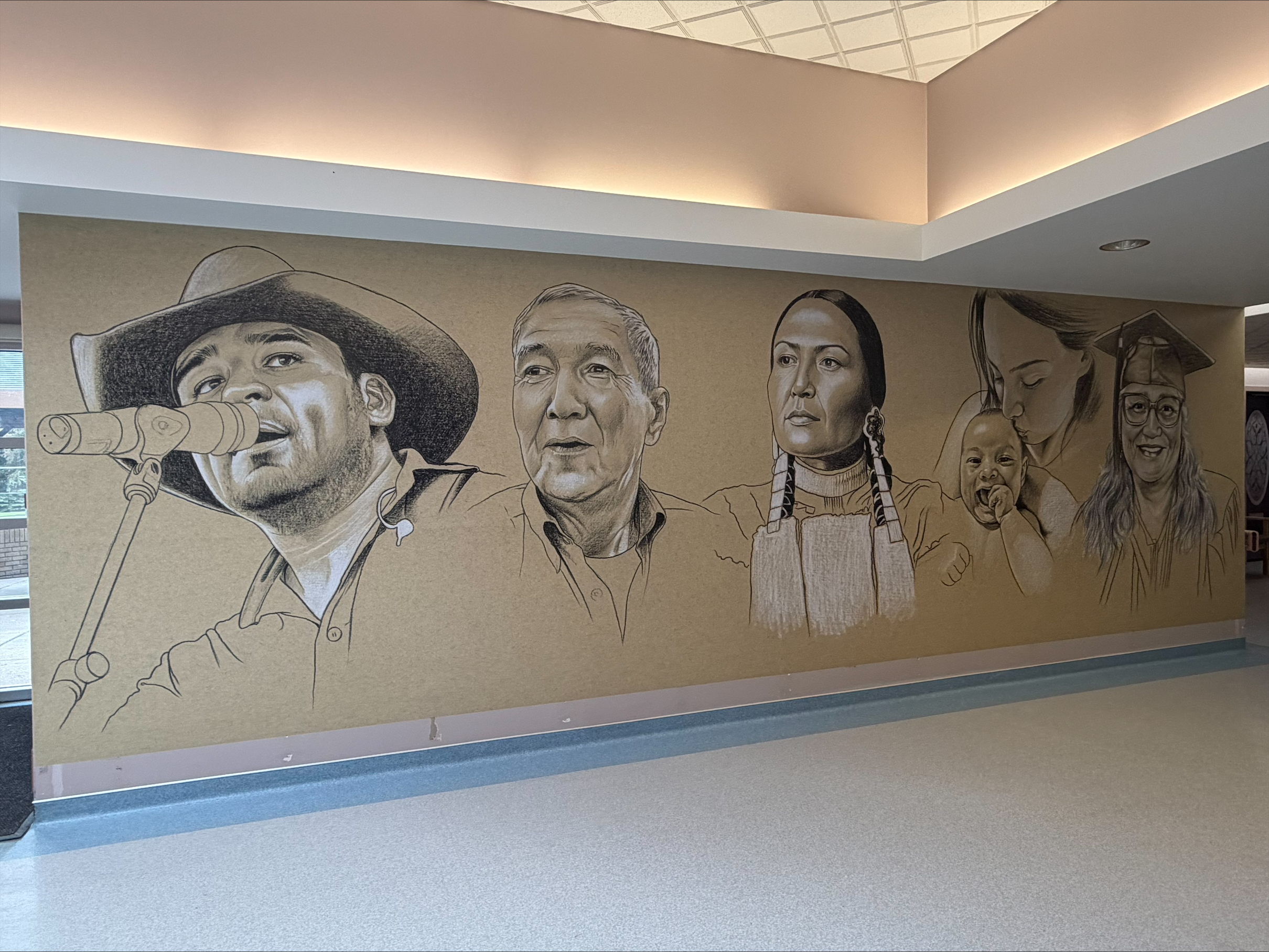
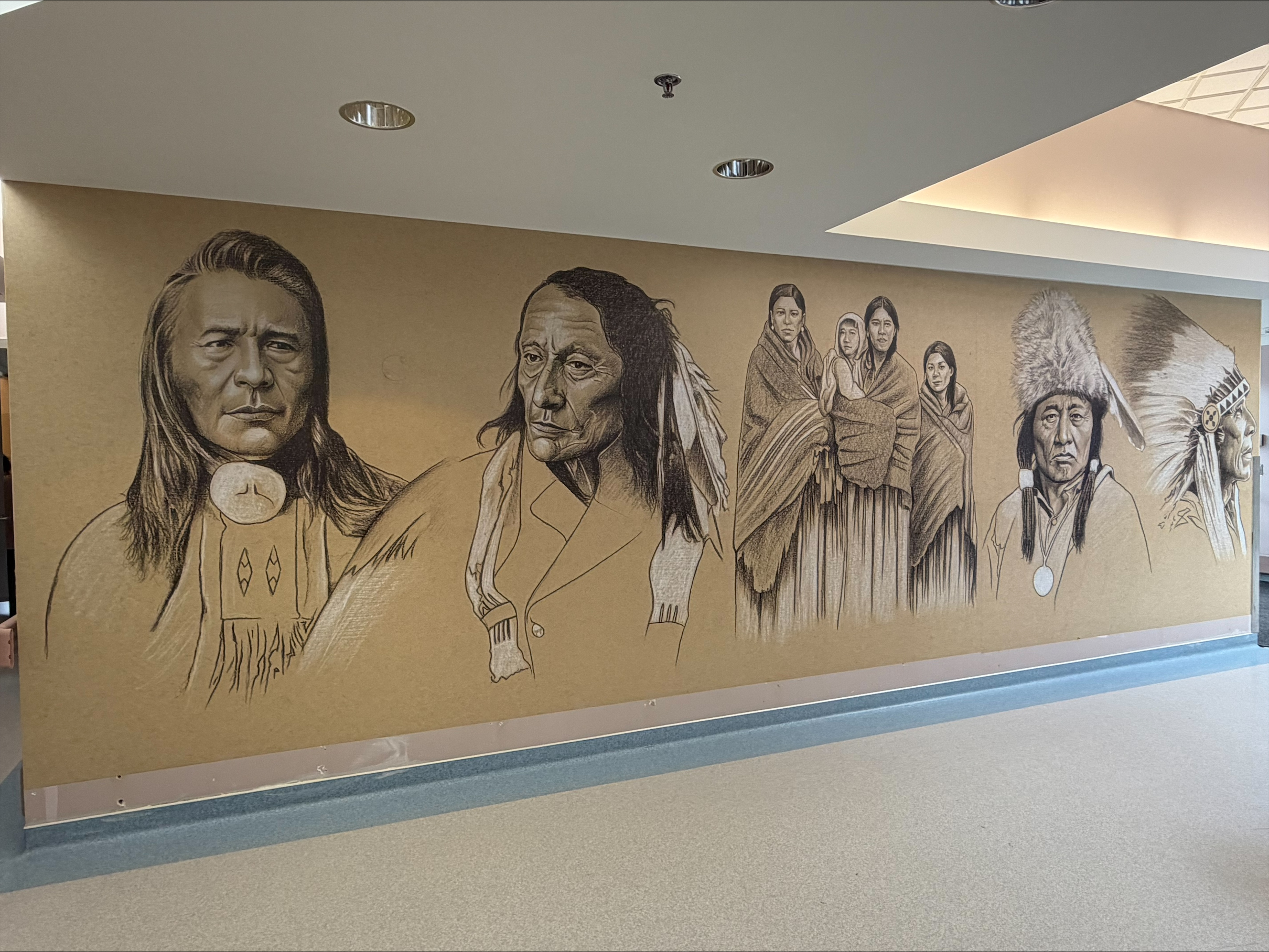
Wetaskiwin hospital mural reminder of proud Indigenous past
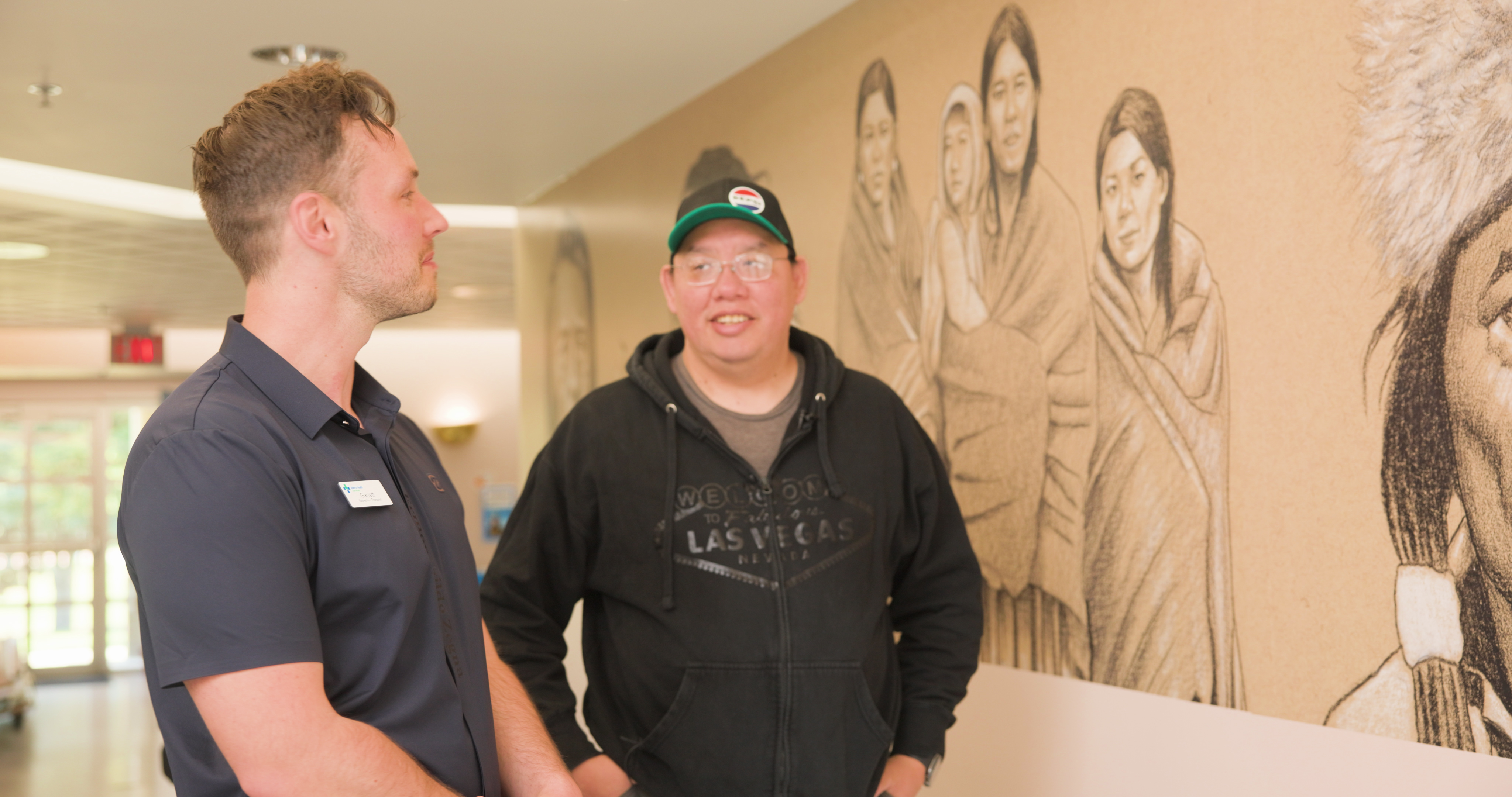 Cree artist from Maskwacîs shares artwork with continuing care residentsStory by Jonathan Koch | Photo by Evan Isbister
A mural installed at Wetaskiwin Hospital and Care Centre stands strong as a powerful expression of Indigenous heritage and resilience.
Created by Maskwacîs artist Mistikonapew (miss-stick-ōh-nah-pay-yô), also known as Byron Samson, the two newly installed wall-wrap murals celebrate the rich heritage of the Maskwacîs Cree Nations, while showcasing the diverse and inspiring lives of their people today, stories that are often less familiar to the broader public.
For the self-taught artist, seeing his work displayed at such a large scale withinContinue reading -
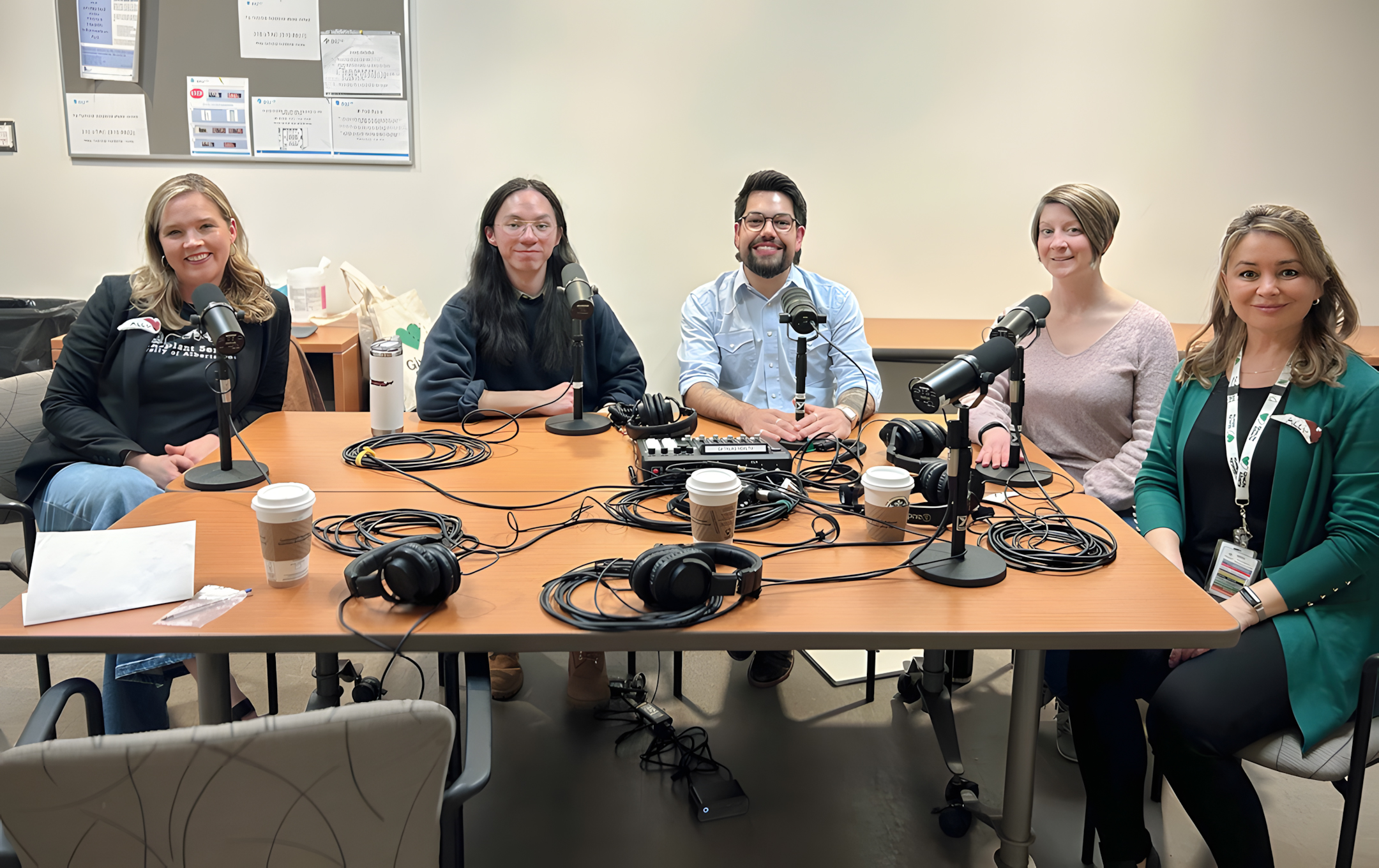
Conversation with G4 Talks Health
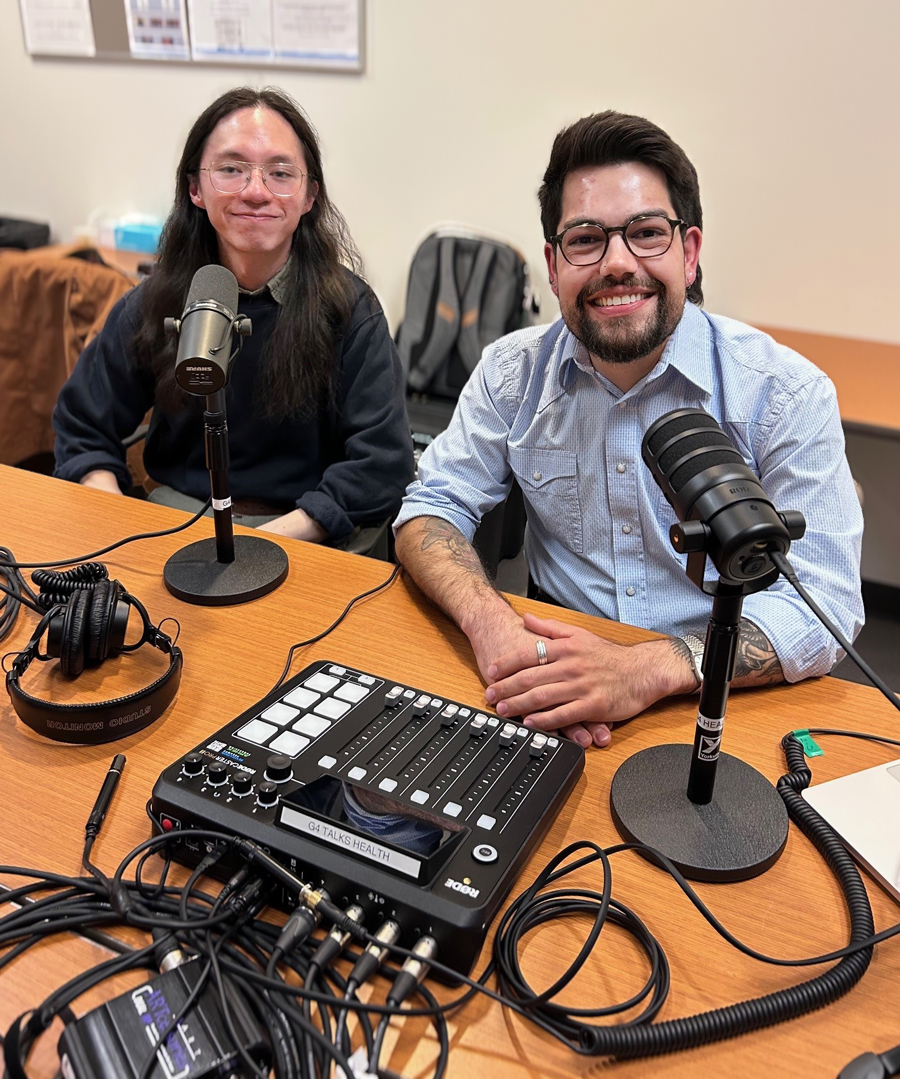
G4 Talks Health, an Indigenous-led podcast from G4 Health, invited Give Life Alberta to join a conversation about organ and tissue donation.
Together, the group talked through common myths about donation and transplant, shared inspiring stories, and discussed why cultural safety is essential to building trust.
Hosts Dalton Dodginghorse and Colton Crowchild also gifted ‘ally’ pins to GLA staff. The pins are beaded in the shape of a bison, the G4 Health logo.
“[The ally pin] honours [guests’] willingness to sit with us ethically and in the spirit of collaboration,” says Dodginghorse.
“We thank those that partner with usContinue reading
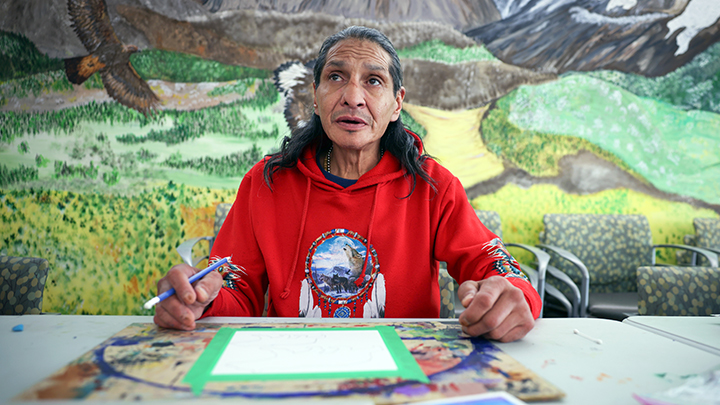 Staff and patients participate in the Spirit of Art and Reconciliation (SOAR) program at Chinook Regional Hospital.